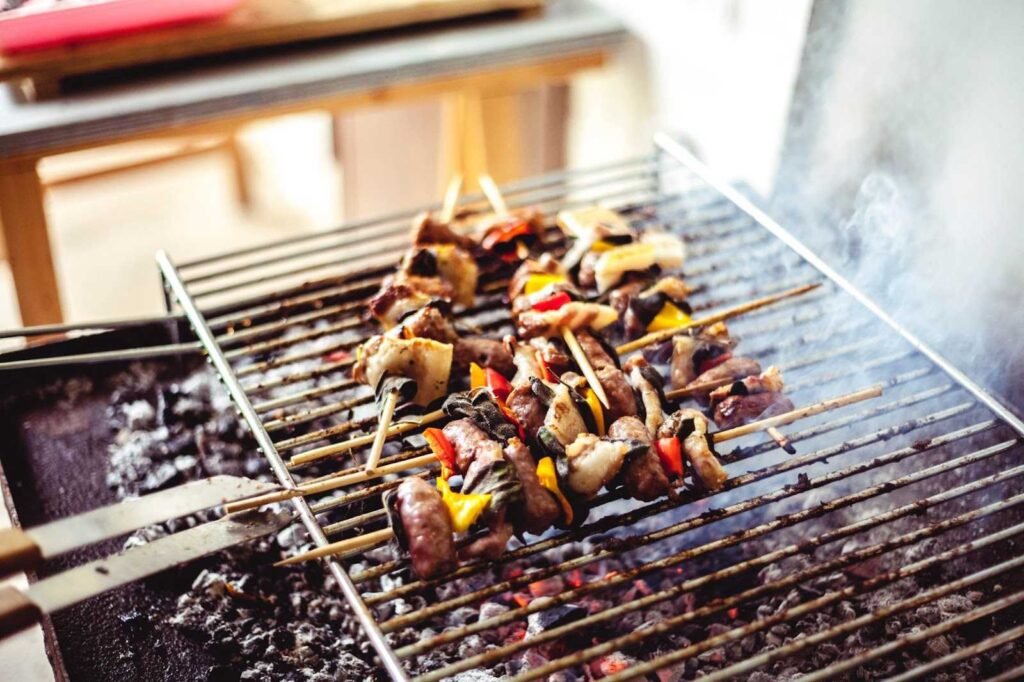
Introduction Outdoor barbecues are an enduring way to gather family, friends, or colleagues for relaxed socializing, good food, and fresh air. Whether you’re organizing a casual backyard grill, a beachside cookout, or a corporate team-building barbecue, thoughtful preparation makes the difference between a smooth, enjoyable event and a stressful one. This guide covers comprehensive, practical, and professional advice on what to prepare for an outdoor barbecue: planning, equipment, food and beverages, safety and hygiene, logistics, atmosphere, and cleanup.
- Event Planning and Logistics Define the purpose and scale
- Determine the event type (casual family gathering, celebratory party, neighborhood potluck, corporate event) and estimate guest count. This influences food quantities, seating, equipment, and permits.
- Set a budget covering food, equipment rental or purchase, permits, cleanup, and contingency funds.
Date, time, and location
- Choose date and start/end times that suit guests; consider late afternoon into evening for comfortable temperatures and a pleasant sunset atmosphere.
- Reserve or confirm the venue: backyard, park pavilion, beach area, or rented event space. Check availability and rules (noise curfews, open-flame policies, trash disposal requirements).
- Obtain necessary permits if hosting in public spaces or if the expected group size exceeds local thresholds.
Weather and contingency plans
- Monitor the forecast and have a backup plan for rain or high winds: a covered patio, canopy/tents, or indoor alternative.
- Prepare for temperature changes (blankets, portable heaters for cool nights; fans or shade for hot days).
Guest management
- Send invitations with RSVP requests and dietary preference queries (allergies, vegetarian, vegan, halal/ kosher requirements).
- Plan seating and flow—ensure there’s space for cooking, serving, dining, and socializing without crowding.
- Equipment and Tools Grill and fuel
- Select an appropriate grill type: charcoal, gas (propane/natural gas), or electric, based on flavor preference, convenience, and venue rules.
- Ensure the grill is clean, serviced, and in good working order. For charcoal grills, bring sufficient charcoal and a chimney starter; for gas grills, check propane levels or fuel connections; for electric grills, confirm power access.
- Bring extra fuel: charcoal bags, propane cylinders, or propane adapters.
Cooking tools and accessories
- Long-handled tongs, spatulas, grill forks, and basting brushes.
- Heat-resistant gloves and aprons.
- Grill brush and scraper for cleaning grates.
- Meat thermometer (instant-read) for safe internal temperatures.
- Aluminum foil, grill-safe pans, and skewers (metal or soaked wooden skewers).
- Cooking timers, clip-on grill lights for evening events, and a spray bottle for flare-up control.
Preparation and serving gear
- Coolers and ice to keep perishables and beverages chilled; separate coolers for raw meats and ready-to-eat foods to prevent cross-contamination.
- Food storage containers, trays, serving platters, chafing dishes or insulated carriers to maintain temperatures.
- Disposable or reusable plates, cutlery, napkins, and cups; consider sturdier eco-friendly options for heavier foods.
- Condiment dispensers, squeeze bottles, salt, pepper, and other seasonings.
Comfort and amenities
- Tables and chairs (rent if necessary) and tablecloths.
- Shade solutions: umbrellas, pop-up canopies, or awnings.
- Lighting (string lights, lanterns) for evening ambiance and safety.
- Portable trash and recycling bins, labeled clearly.
- Restroom access: ensure facilities are nearby or rent portable restrooms for large events.
- Food and Beverage Planning Menu design and portioning
- Plan a balanced menu: main proteins, vegetarian/vegan options, side dishes, salads, and desserts. Account for varying diets and allergies.
- Portion control: typical estimates—approximately 1/2 pound (225 g) of raw meat per adult, or plan per-person servings based on menu variety and appetite of guests.
- Offer a mix of quick-cooking items (burgers, hot dogs, veggies) and slower items (marinated cuts, roast-style items) with a cooking timeline.
Shopping and food prep
- Create a shopping list organized by perishables, dry goods, condiments, and beverages.
- Purchase high-quality proteins and marinate in advance where appropriate. Pre-slice, marinate, or pre-batch salads and sides to reduce onsite prep time.
- Keep raw and ready-to-eat foods separated during transport and setup.
Beverage selection and service
- Offer a variety of beverages: water, soft drinks, iced tea, beer, wine, and a signature cocktail. Provide non-alcoholic alternatives and clearly label alcoholic drink stations.
- Keep beverages on ice in coolers or beverage tubs with a drainage plan.
- Consider responsible-drinking measures: designated drivers, taxi ride information, or ride-share credits.
- Food Safety and Hygiene Temperature control
- Maintain cold foods at or below 40°F (4°C) and hot foods at or above 140°F (60°C).
- Use an instant-read meat thermometer to cook proteins to safe internal temperatures (e.g., poultry 165°F/74°C, ground meats 160°F/71°C, steaks/roasts 145°F/63°C and rest 3 minutes—follow local guidance).
Cross-contamination prevention
- Use separate cutting boards and utensils for raw meats and ready-to-eat items.
- Keep raw meats in sealed containers and stored on lower cooler shelves to prevent drips.
Hand hygiene and sanitation
- Provide handwashing stations or hand sanitizer with at least 60% alcohol content. Encourage guests and food handlers to use them before eating or handling food.
- Bring disinfectant wipes and spray to clean surfaces and handle spills promptly.
Waste and leftover management
- Have clear disposal procedures for food waste and recyclable materials. Keep trash bags and bins accessible.
- Store leftovers promptly in clean, refrigerated containers; discard perishable leftovers left out for more than 2 hours (or 1 hour in temperatures above 90°F/32°C).
- Safety and Emergency Preparedness Fire safety
- Keep a fire extinguisher rated for grease fires (Class B) nearby and know how to use it.
- Maintain a safe perimeter around the grill—keep children and pets at a safe distance.
- Have a metal container for hot coals and allow sufficient time for coals to cool before disposal. Never bury hot coals.
First aid and medical
- Have a first-aid kit available with supplies for minor burns, cuts, and insect bites.
- Know local emergency numbers and have a phone charged and accessible.
Local regulations and etiquette
- Follow local rules on open flames, alcohol consumption, noise levels, and park usage. Obtain permission for amplified music or large gatherings when required.
- Creating Ambience and Guest Experience Layout and flow
- Arrange cooking and serving stations to minimize bottlenecks—separate grilling, plating, and drink service areas.
- Provide comfortable seating with clear sightlines to the grill and social hubs.
Decor and music
- Use tasteful, weather-appropriate decor: linens, centerpieces resistant to wind, and lighting that balances ambiance and visibility.
- Curate a playlist that suits the event tone and volume appropriate to the setting.
Activities and engagement
- Offer light activities: lawn games (cornhole, bocce, frisbee), a simple kids’ area, or interactive food stations (build-your-own burger or taco bar).
- For corporate or formal events, consider scheduled remarks, awards, or a short program.
- Cleanup and Post-Event Tasks Immediate cleanup
- Clear food and perishables promptly after the event; refrigerate or dispose of leftovers safely.
- Extinguish and cool grills; clean grates while warm (carefully) for easier removal of residue, if appropriate.
Waste removal and recycling
- Remove trash and recyclables per venue guidelines; leave the space as good or better than you found it.
- Compost food scraps where possible and permitted.
Inventory and evaluation
- Note what worked well and what didn’t: equipment issues, food quantities, timing, and guest feedback to improve future events.
- Restock or repair reusable equipment and safely store items for the next use.
Checklist Summary (Quick Reference)
- Venue reservation and permits
- Guest list, RSVPs, special dietary needs
- Grill and fuel, tools and utensils
- Coolers, ice, food storage, servingware
- Food and beverage shopping and prep schedule
- Safety: fire extinguisher, first-aid kit, hand sanitation
- Seating, shade, lighting, trash/recycling
- Entertainment and ambiance elements
- Cleanup supplies and leftover management
Conclusion A successful outdoor barbecue blends careful planning, appropriate equipment, food safety practices, and attention to guest comfort. Advance preparation—thoughtful menu planning, clear logistics, and safety readiness—not only reduces stress for the host but also ensures guests have a memorable, enjoyable experience. Use this guide as a checklist to prepare for your next outdoor grilling event, and adjust details to fit your venue, guest list, and objectives. Enjoy responsibly.